Tea notes
History of Urasenke
A simple overview of Urasenke history, from Sen no Rikyu to the present, with key names and concepts explained.
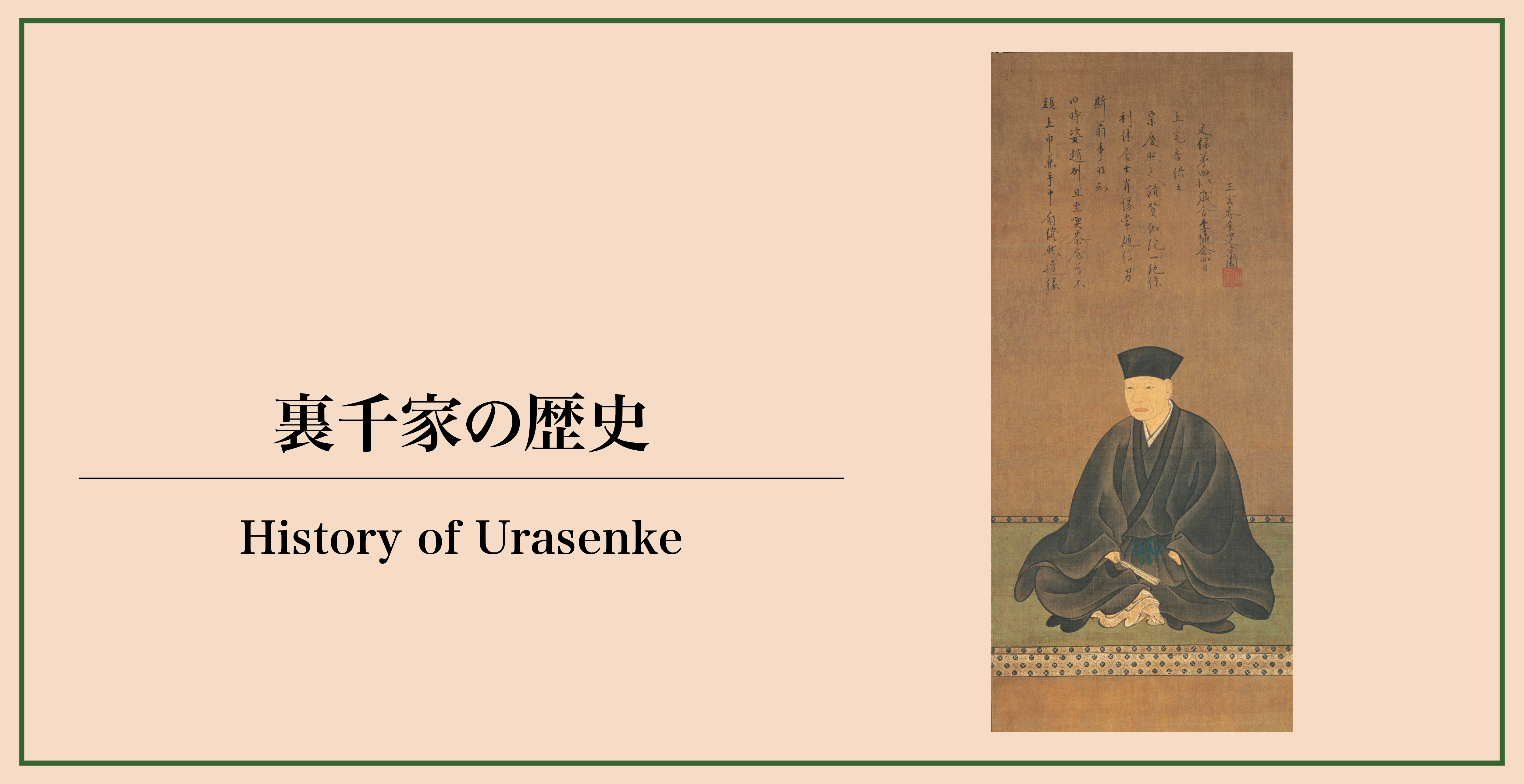
The history of Urasenke begins with Sen no Rikyu, the tea master who brought chanoyu to maturity.
- Sen no Rikyu was born in 1522 into a merchant family in Sakai
- He studied chanoyu from a young age
- He served Oda Nobunaga and Toyotomi Hideyoshi as a tea master
- Through his relationships with many people, he deepened both the spirit and the form of chanoyu
- He remains one of the most influential figures in Japanese tea culture
Rikyu valued not only the forms of tea, but also the heart of meeting another person through a bowl of tea.
The Beginning of Urasenke
Rikyu's chanoyu was passed down through the generations of the Sen family.
- First generation: Sen no Rikyu
The founder figure who brought chanoyu to maturity and became the starting point of Sen family tea. - Second generation: Shoan Sojun
The successor to Sen no Rikyu, who carried Rikyu's tea into the next generation. - Third generation: Genpaku Sotan
The son of Shoan Sojun, who strengthened the foundation of Sen family tea.
In his later years, the third generation Genpaku Sotan built tea rooms such as Konnichian and Yuin at his retirement residence. This residence was later passed to his fourth son, Sensou Soshitsu, and this is regarded as the beginning of Urasenke.
In other words, Urasenke grew out of the line of tea passed from Sen no Rikyu to Shoan Sojun and then to Genpaku Sotan.
What Are the Three Sen Families?
Today, the three main Sen family traditions are known together as the Sansenke.
- Omotesenke
- Urasenke
- Mushanokojisenke
All three inherit the tea of Sen no Rikyu, while developing through their own family lines and histories.
Key Figures in Urasenke History
Urasenke has continued to adapt chanoyu to each era.
- Eighth generation: Yugensai Itto Soshitsu
Together with Omotesenke's seventh generation Joshinsai Tennen Sosa, he established the Shichijishiki training methods. These practices helped students refine technique and cultivate the spirit of tea. He is also regarded as a restorer of Urasenke. - Eleventh generation: Gengensai Seichu Soshitsu
During the great changes from the late Edo period into the Meiji era, he created ryurei, a style of tea performed with chairs. This helped open chanoyu to a wider range of people and settings. - Thirteenth generation: Ennosai Tetchu Soshitsu
He worked to make tea study more accessible by bringing chanoyu into school education. He also published books and periodicals, helping train many tea practitioners. - Fourteenth generation: Mugensai Sekiso Soshitsu
Also known as Tantansai, he promoted chanoyu in schools and workplaces and actively introduced tea culture overseas. - Fifteenth generation: Hounsai Hanso Soshitsu
With the phrase "Peacefulness through a bowl of tea," he wished for world peace through one bowl and worked actively to spread chanoyu around the world. - Sixteenth generation: Zabosai Genmoku Soshitsu
He has overseen major preservation work on the Konnichian tea room group and continues to support the development and transmission of chanoyu in the present day.
What This History Shows
- Urasenke carefully inherits the spirit of Sen no Rikyu
- It preserves tradition while adapting to changing times
- It has worked to share chanoyu through schools, workplaces, and international activity
- It values connecting people through one bowl of tea
Summary
Urasenke is a school of tea that has preserved the spirit inherited from Sen no Rikyu while continuing to open chanoyu to each new age.
Tea may seem difficult at first, but at its center is the heart of thinking of another person through one bowl of tea. The history of Urasenke is the story of carrying that heart into the present.
Reference: Urasenke official website, "Urasenke successive generations"